Beginner's Guide to Bunkasai
Last updated: Sep 15, 2026
- ✅ Every festival on this site is open to everyone, free, no reservation.
- 🚫 High school festivals are mostly closed to the public. Stick to universities.
- 📅 Late October to late November, mostly weekends.
- 💴 Bring 3,000-5,000 yen in cash. Stalls don't take cards.
- 📷 Ask before photographing students.
- 🗑 Carry a small bag for trash and sort it at the eco-stations.
What is a bunkasai?
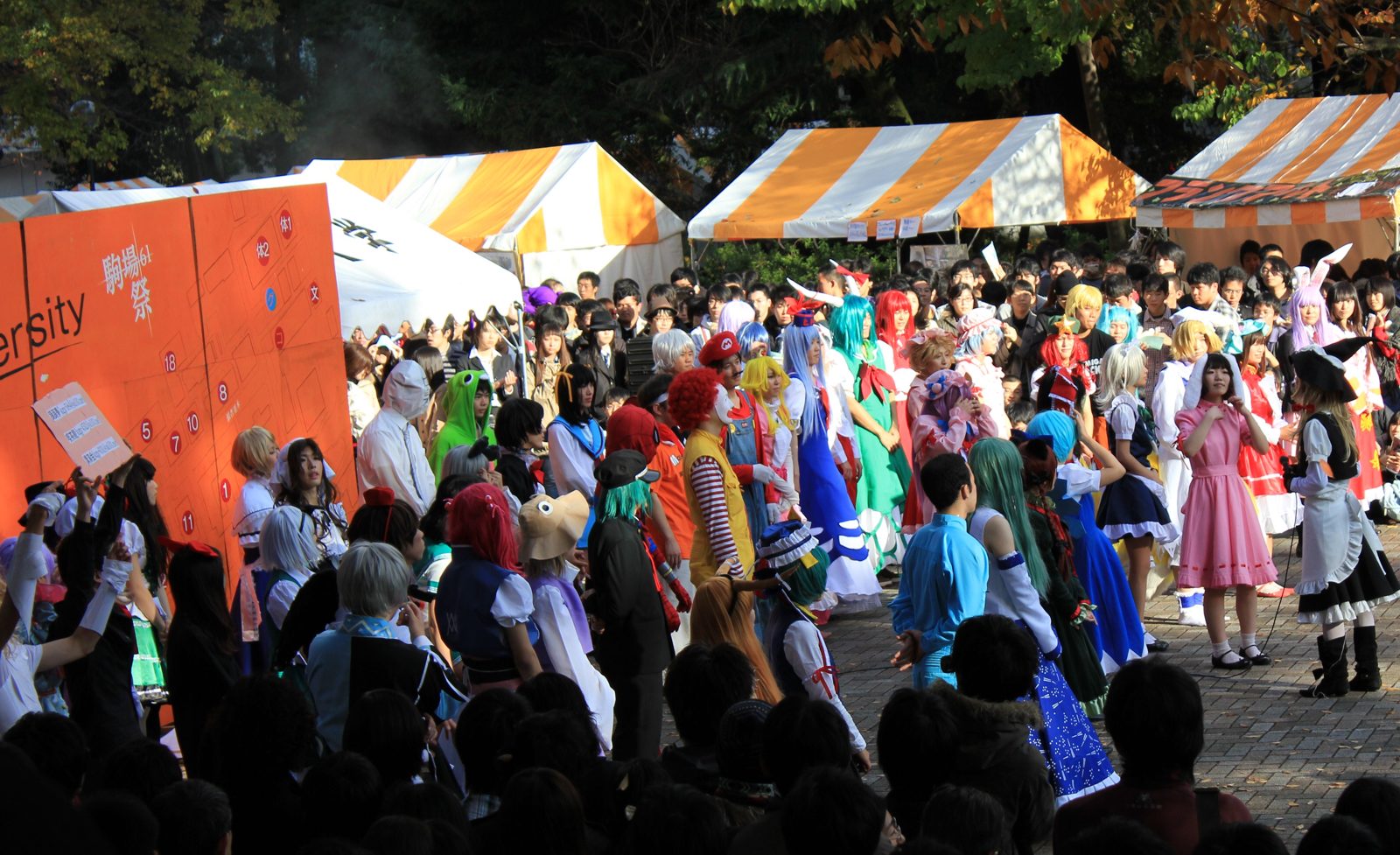
Bunkasai (文化祭, "culture festival") is a yearly event at almost every school in Japan. For two to five days, students take over the campus: clubs put on concerts and plays, classrooms become exhibitions and workshops, and food stalls line the paths. University festivals are also called gakuensai (学園祭).
It is the festival you have seen in anime, and it is not a set. Students plan, build and run everything themselves, from the haunted house to the budget, and then tear it all down on Sunday night. Few other countries have anything like it.
Remember who is serving you. The stalls are run by 19-year-olds who have never worked in a restaurant, cooking simple things from supermarket ingredients between shifts on stage. Don't expect professional service or restaurant quality. Do expect it to taste pretty good anyway: Japanese ingredients are hard to get wrong.
Who can go?
✅ Universities
Open to the public. No need to be a student or know one. Free entry almost everywhere.
🚫 High schools
Mostly students' families and prospective applicants only, often with tickets or a lottery. We don't list them.
How to get in
- Pick a festival on the calendar and check its official site the day before.
- Get cash at a 7-Eleven on the way. Its ATMs accept overseas cards (Visa, Mastercard, UnionPay, JCB, Amex), pay out yen and have an English menu, so you do not need to exchange money first.
- Go to the main gate. Follow the crowd from the station.
- Take a map at the reception tent, even if it is in Japanese.
- Walk in. No festival on this calendar asks for a ticket or ID. Just walk through the gate.
What to bring
- 💴 Cash: 3,000-5,000 yen, including plenty of 100-yen coins
- 🛍 A small plastic bag for trash
- 🔋 A charged phone and power bank (for maps and translation)
- 💧 A drink bottle; lines for drinks can be long
- 👟 Comfortable shoes; campuses are big and there are many stairs
- 🧥 A light jacket; November evenings get cold
Budget
| Entry | Free |
| One food item (yakisoba, takoyaki, crepe…) | 200-600 yen |
| Drinks | 100-300 yen |
| Haunted house or game | 0-500 yen |
| Train within Tokyo, each way | about 200-600 yen |
| A full day | about 2,000-4,000 yen |
What to do there
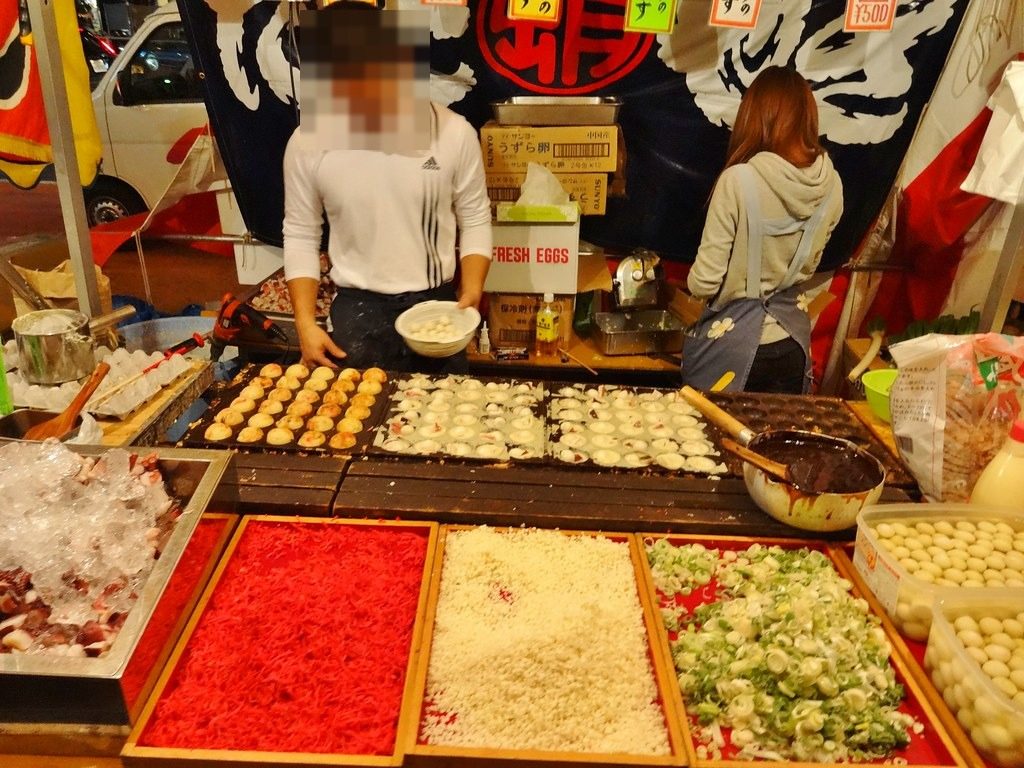
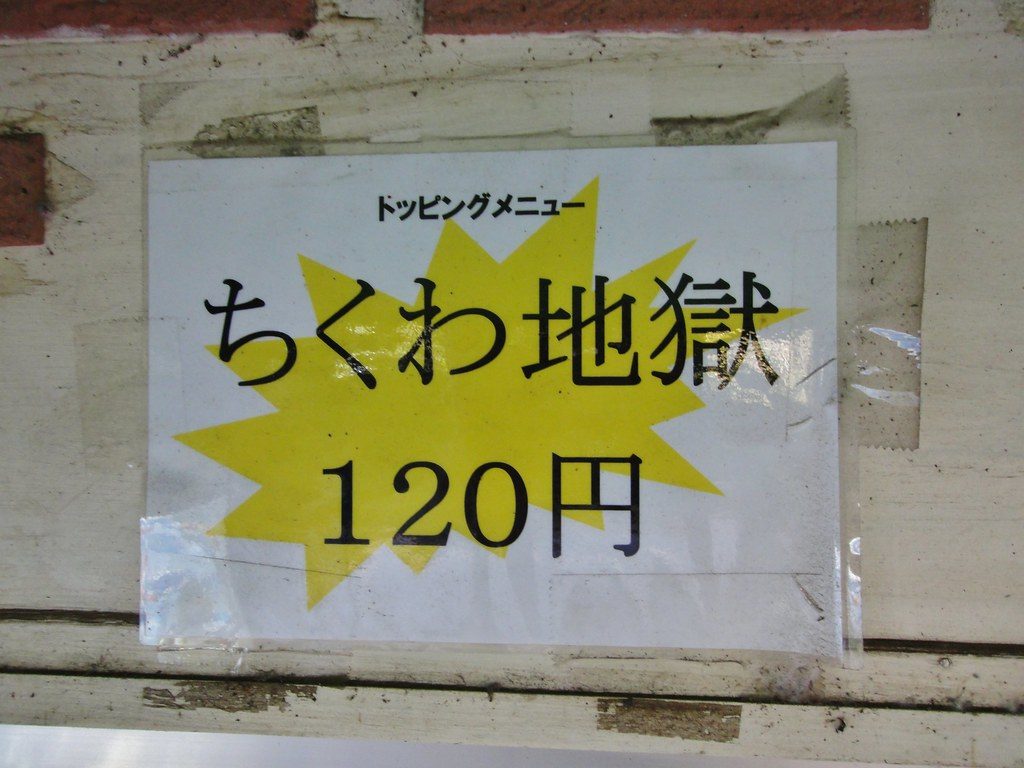
- 🍜 Eat at the stalls run by clubs and classes. On the map they are mogiten (模擬店, "mock shops"): temporary food stands, 200-600 yen a plate.
- 🎸 Stage shows: bands, dance crews, cheer squads. Outdoor stages are free to watch.
- 🔬 Open labs and exhibitions. At science universities, research labs let you in. A long line means it is good.
- 👻 Haunted classrooms and maid cafes? Mostly a high school thing. Some clubs run them, but don't count on it. What is actually there →
- 🗣 Talk to students, gently. They are kind, but most are shy and rarely speak English (ICU, Sophia and the foreign-studies university are the exceptions). Point at things, show the phrases below, or use a translation app. A smile does the rest.
- 🏛 See the campus. Our campus guides tell you what to look for.
Trash, crowds and language
The three things foreign visitors most often say they struggled with in Japan, according to the Japan Tourism Agency's visitor survey.
🗑 Trash
There are almost no public bins. Festivals set up eco-stations with a student helping you sort: burnable, plastic, cans, PET bottles. Carry a bag until you find one.
👥 Crowds
Arrive at opening, eat before 11:30, and choose weekdays of multi-day festivals. Saturday early afternoon is the busiest time.
💬 Language
Signs and programs are mostly Japanese. Use Google Lens on the map, and show the phrases below at stalls.
Point-and-show phrases
Show this screen to a student.
| これください | This one, please Kore kudasai |
| いくらですか? | How much is it? Ikura desu ka? |
| 写真を撮ってもいいですか? | May I take a photo? Shashin o totte mo ii desu ka? |
| カードは使えますか? | Can I pay by card? Kaado wa tsukaemasu ka? |
| ゴミ箱はどこですか? | Where is the trash bin? Gomibako wa doko desu ka? |
| 入口はどこですか? | Where is the entrance? Iriguchi wa doko desu ka? |
| トイレはどこですか? | Where is the restroom? Toire wa doko desu ka? |
| おいしい! | Delicious! Oishii! |
| ありがとうございます | Thank you Arigatou gozaimasu |
Read the full etiquette guide →
FAQ
Do I need to speak Japanese?
No. Pointing works at every stall, and the phrases on this page cover the rest. Most programs are in Japanese; Google Lens translates them.
Is there an entry fee?
Almost never. Some attractions inside charge 100-500 yen.
Can adults without children go?
Yes. At university festivals, many visitors are locals, alumni and tourists.
Can I go to a high school festival?
Usually not. Most Tokyo high schools limit entry to students' families and prospective applicants, often with tickets or a lottery.
Can I wear cosplay?
Often yes, but some festivals restrict costumes for visitors. Check the festival's official site, and keep it easy to move in a crowd.
What if it rains?
Festivals usually go ahead; outdoor stages may move indoors. Check the official site on the morning of a typhoon.